A full day built entirely around having a natural birth in hospital.
You've said you want a natural birth and been met with a particular kind of nod. Supportive, slightly braced. As though you've asked for something that will need managing.
So you've started reading. Most of what you find is about birthing at home, or about breathing through it, or written by someone selling a method. Very little of it is about the building you're actually going to.
You'll leave knowing when to go in, how to tell a suggestion from a requirement, and what to do when the plan changes.
Reserve your placeJennifer Hazi is a Registered and Endorsed Midwife in private practice in Paddington, caring for women in birth and motherhood since 2007, across homebirth, hospital birth and the postnatal weeks.
When to go in. What's routine and what's genuinely required. Induction and going past your dates. Pain relief, honestly. What to do when the plan changes.
$500 for you and your support person. Five dates between November and March.
One day, four families, in Paddington. We work through how labour actually unfolds, how a hospital actually runs, and what you can do with both.
In short
Upcoming dates
Sunday 1 November 2026
Sunday 20 December 2026
Sunday 17 January 2027
Sunday 21 February 2027
Sunday 21 March 2027
10am to 5pm · $500 per family
The Gathering Space, 160 Flinders Street, Paddington
Maximum four families per date
Four families per date. Twenty places between November and March.
Most women come between 28 and 34 weeks, when birth is coming into focus and the questions are getting specific.
Medicare rebates don't apply to birth education. Rebates are for clinical midwifery consultations, which you can book separately if you'd like both. Some private health funds do offer a rebate for antenatal education, so it's worth asking your insurer.
You shouldn't have to do this
Nobody in the building is working against you. The midwives want you to have a good birth. So does the obstetrician. Almost everyone you meet came to this work for the same reasons you'd hope.
And still, it will mostly fall to you
You shouldn't have to advocate for yourself with the people caring for you. You shouldn't need to know which questions to ask, or to work out mid-contraction whether something is a rule or a suggestion. That it works this way isn't a failure on your part, and I'm not going to dress it up by calling it empowerment.
It's a workaround. I'm offering it as one.
What you're actually up against isn't people. It's momentum. A ward runs on rosters, protocols and timelines, and those keep moving whether or not your labour agrees with them.
You can't opt out of a system you don't know the shape of.
The part nobody helps you with
You want to avoid what doesn't need to happen. You also want someone to move fast if it does.
Those aren't two different women. That's one woman, and holding both at once is the hardest part of planning a birth in a hospital.
When something is recommended to you at two in the morning, is this the thing that's genuinely needed now, or the thing that tends to get offered at this point on this ward? From the inside, at that hour, the two look identical.
You're not imagining the problem either. Induction rates differ between Australian hospitals in ways that can't be explained by how unwell the women are.
Nippita et al, BMC Pregnancy and Childbirth, 2017.
It isn't really an information problem
This is less a thinking problem than a tiredness problem. Not I couldn't work out what was true. Closer to: I could see what was happening, and by then I didn't have it in me to keep asking.
Labour is a poor time to run a negotiation. You'll be busy.
Autonomous doesn't mean alone.
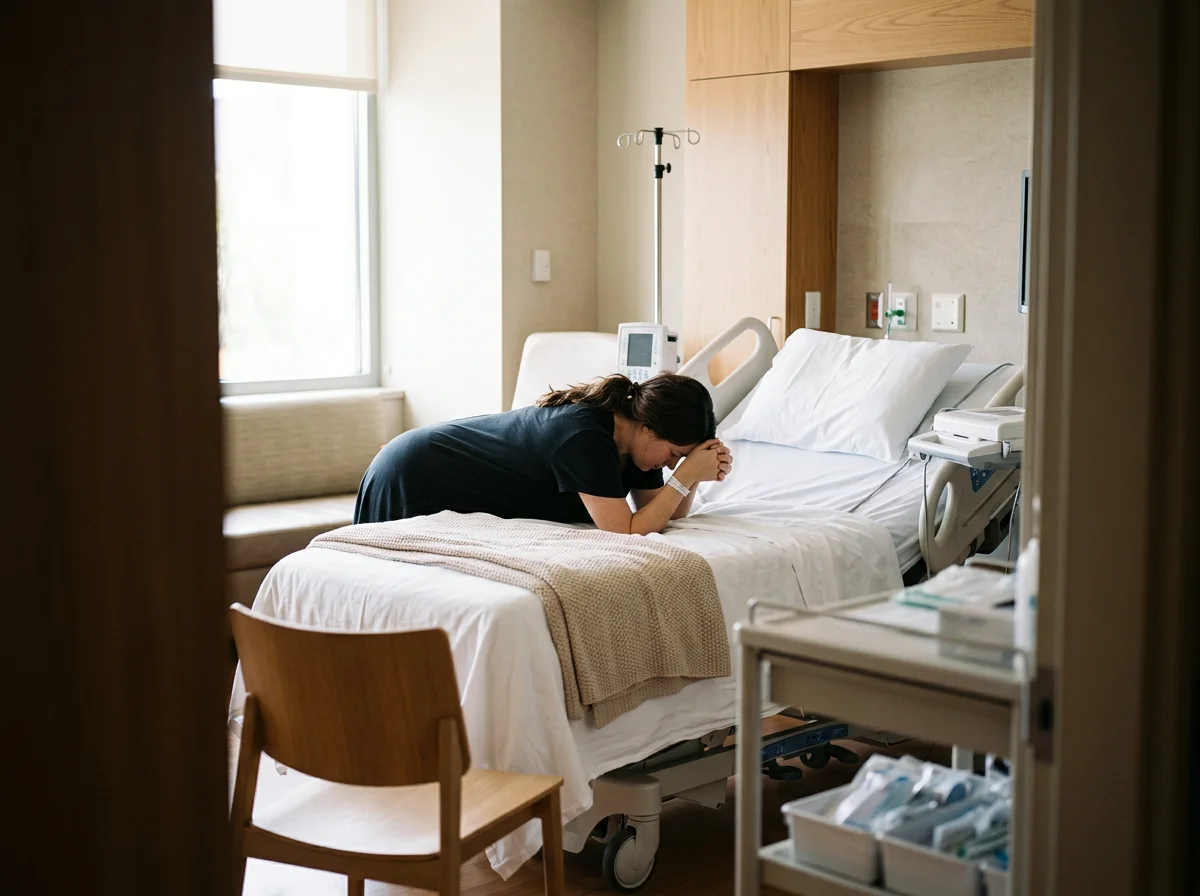
What people say
You don't get a medal.
What are you trying to prove?
Just get the epidural, no need to be a hero.
You'll be screaming for it. You'll see.
As long as the baby's healthy.
Notice what almost none of those are. They aren't arguments. They're predictions. You'll see. Wait and see. That'll last five minutes.
Which means the sting isn't that they think you're being selfish. It's that they don't think you can.
And the healthy baby line
A healthy baby matters more than anything else on this page. It won't be the only thing that happens to you that day.
The version most women get
Most women don't get to ask their questions. They get the general version and work out afterwards what it meant for them.
That isn't a failure of care. There isn't time in a standard appointment and there isn't room in a class of thirty. It's what the system can afford to give.
The cost of it is specific, and it arrives late. Months afterwards, at three in the morning with a feeding baby, she's still turning over a decision she didn't understand at the time and can't now reconstruct. Not because anything went wrong. Because nobody had ten minutes.
That's the part you can change in advance.
Four families per date. Twenty places between November and March.
Who this is for
This day is for women planning to give birth in hospital who want a normal, natural birth, and want preparation that speaks to where it's actually happening.
Women planning to birth in hospital, public or private
Partners and primary birth support people
First-time mothers, and women who've given birth before
Women who've done the hospital's own class and want more than the tour
Women who've read a great deal and still don't feel ready
Who this isn’t for
This day assumes hospital as your place of birth. If you're planning a homebirth, the Homebirth Preparation Workshop is built for that.
It isn't for you if you want a single method to practise. There isn't one here.
And it isn't for you if what you want is reassurance. I'll give you the honest version, which is more useful and sometimes less comfortable. (I will bring tea.)
The Birth Plan Template and Guide. A step-by-step way to work out what matters to you, understand your options, and communicate clearly with everyone supporting you. Free to download.
You don't have to justify wanting this
A review of what matters to women in childbirth, drawing on 35 studies across 19 countries, found that most women want a natural labour and birth, and that the same women know birth is unpredictable and can be frightening. Both together.
Downe et al, PLOS ONE, 2018.
So you're not unusual, and you're not naive. You're the ordinary case. What's unusual is how little of the preparation on offer is built for you.
We go through what's known, and what's overstated, because a fair amount of what circulates is misinformation..
Your body knows. Your mind needs information.
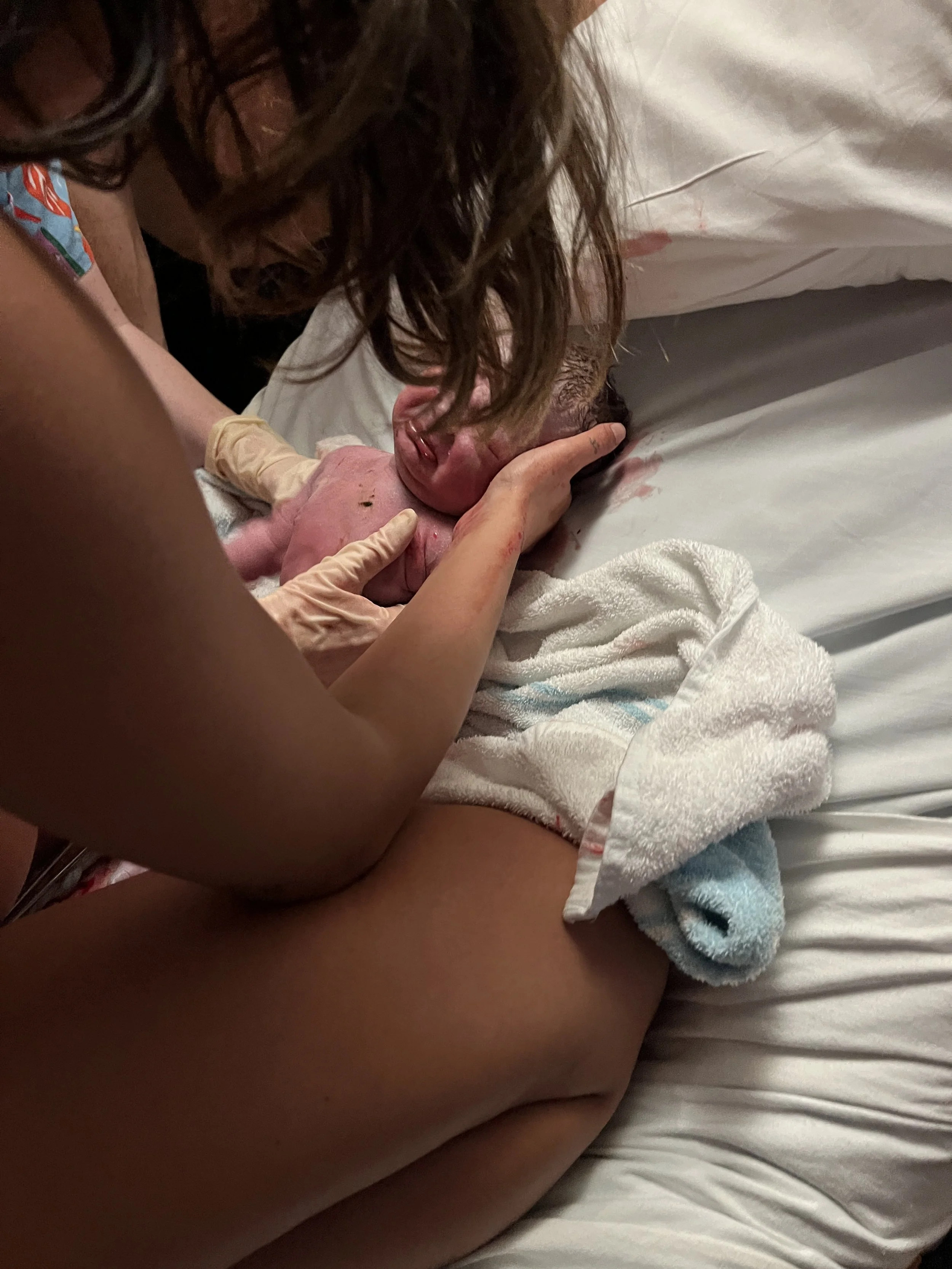
Why a hospital birth needs its own preparation
Most women who want a normal birth in Australia are planning one in a hospital. Very little of the preparation available is actually about the hospital.
Physiology doesn't change with the postcode. Everything around it does.
What's actually happening in Australian birth
Australian women who went into labour on their own
56%
in 2010
40%
in 2023
Over the same period, induction went from 25% to 33%, and births with no labour at all went from 19% to 27%.
AIHW, Australia's Mothers and Babies, 2023 data.
The intervention pathway is no longer the exception. It's the more common route through an Australian hospital, and a woman planning something different is now planning against the grain.
That's not an argument for avoiding intervention. It's an argument for knowing the ground you're standing on before you're standing on it.
Most of what shapes a hospital birth happens before you arrive.
Figures are general information about Australian maternity care, not a prediction about your birth or a comment on your care. Your own provider can talk you through what's relevant to you.
How the day works
1. Book your place
Pick a date and pay in full to hold it. A confirmation comes back with the address, parking and what to bring.
Nothing to prepare. If there's something specific you're carrying, a previous birth, a recommendation already made, a question you'd rather not raise in front of three other couples, tell me when you book and I'll make sure we get to it.
2. Come for the day, both of you
Ten till five, four families, one room. Discussion rather than lecture, because the useful part isn't the information. It's the time to work out what it means for you, what you'd actually do, and what you'd want your support person doing while you did it.
Bring lunch, water and something to write with.
3. Leave with it written down
Not a folder you'll never open. A short plan for the first hour, a handover note for a shift change, and the words to use when you're being asked to decide something and you're too far inside your labour to argue.
The Space
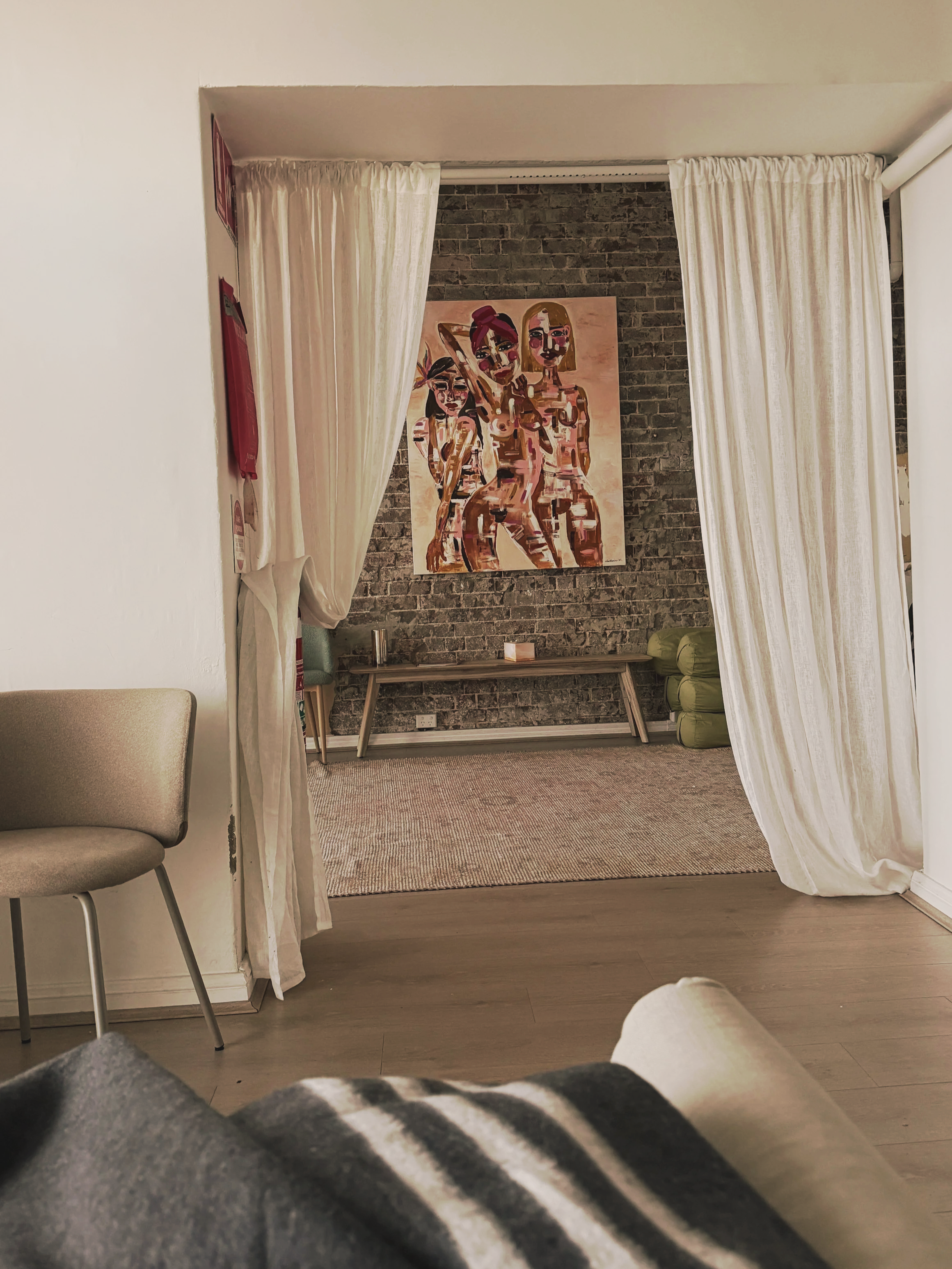
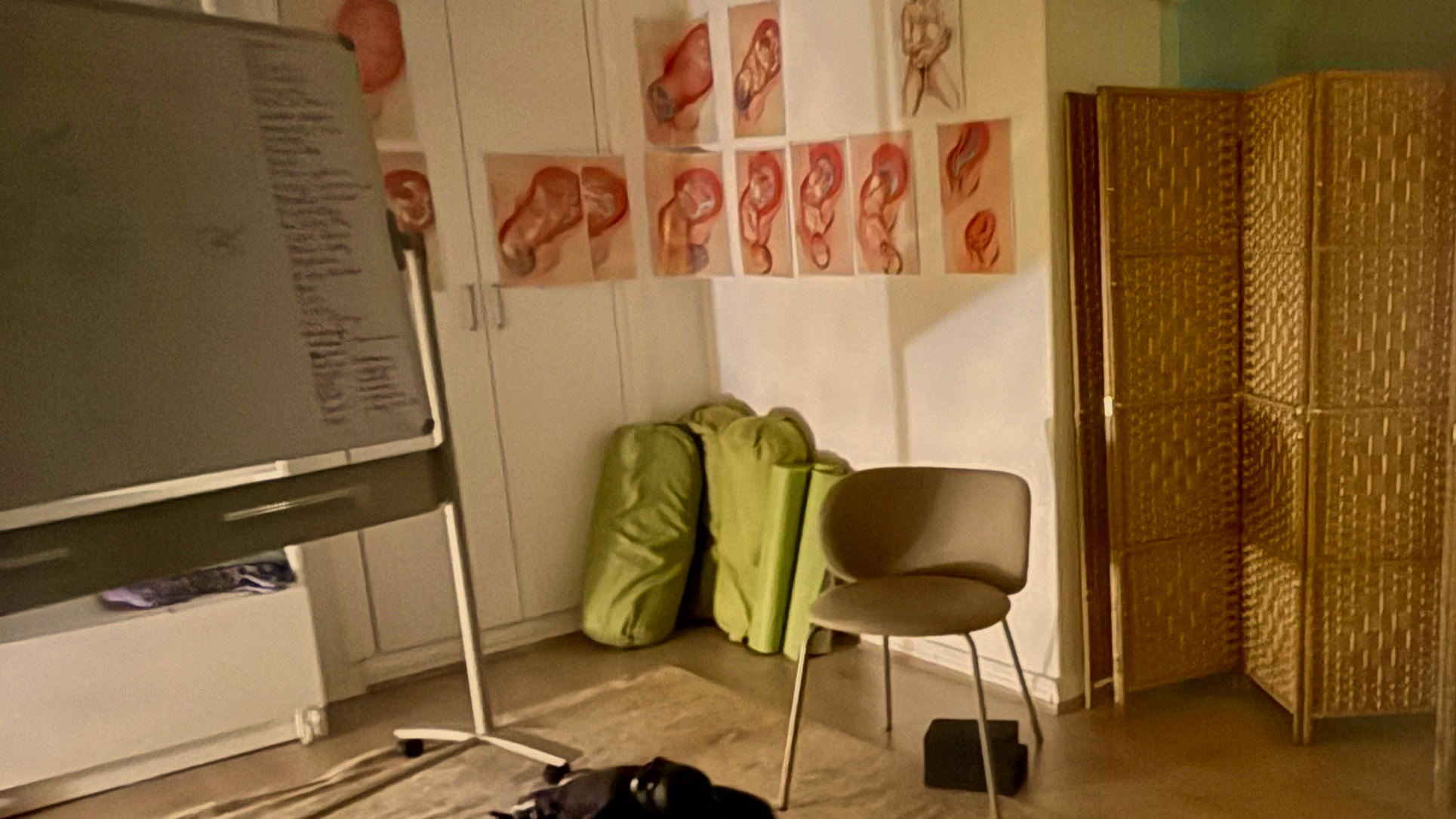
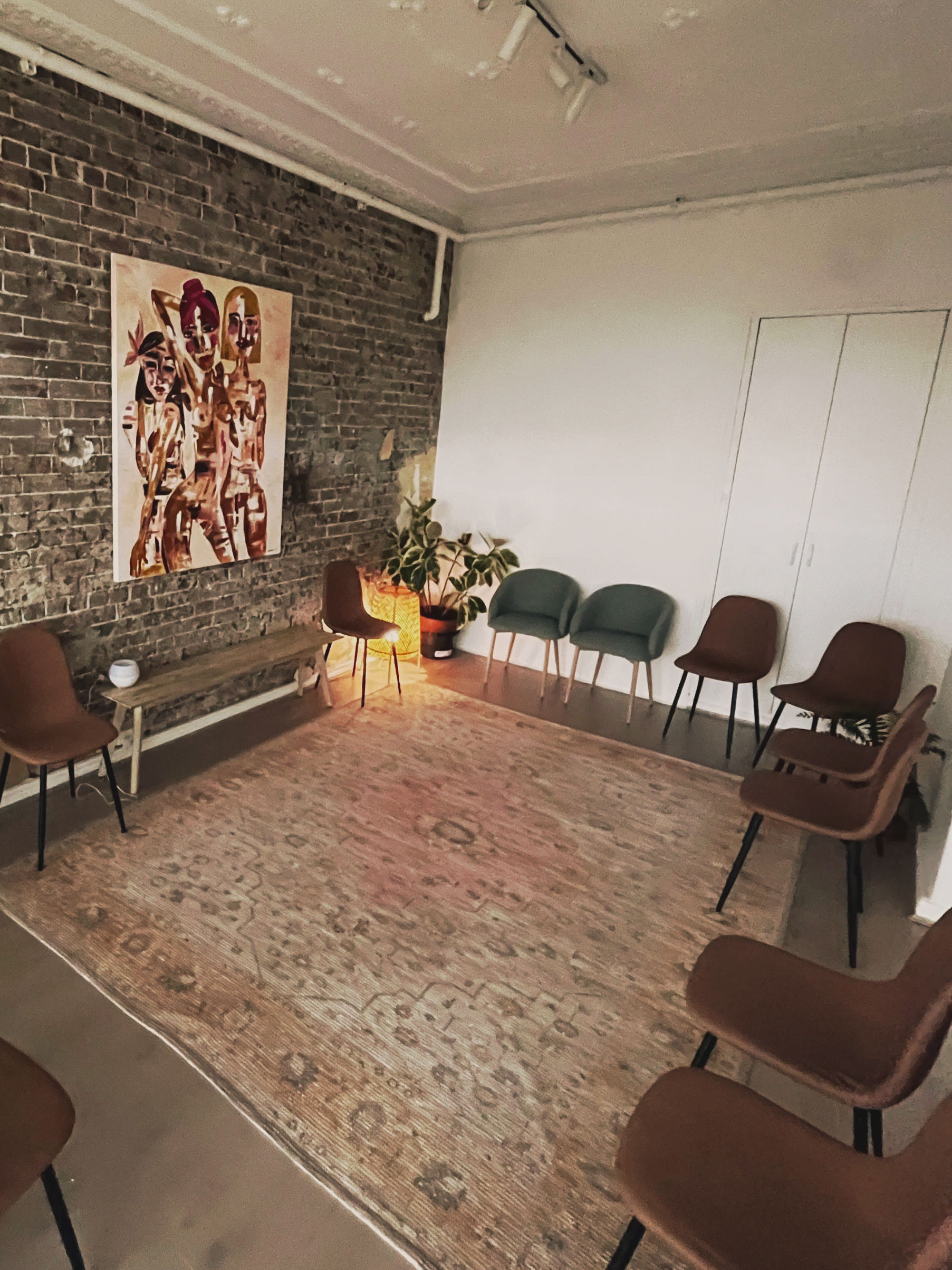
The day is held at The Gathering Space in Paddington, which I run with Anna-Maria. It's a small room and four families, closer to a kitchen table than a lecture theatre, with space to get up and move.
What the day covers
When to go in. How to tell early labour from active labour, what tends to happen if you arrive before your body is ready, and why being sent home again is so common.
What happens when you arrive. The admission questions, the first assessment, the monitor, and the way a room gets arranged around you if nobody says otherwise.
Routine, recommended, or required. How to tell the three apart, how to ask which one you're being offered, and how to decide without it becoming a fight.
Staying upright and moving. What helps, what gets in the way, and how monitoring can usually be worked with rather than lain down for.
Pain relief, epidurals included. Discussed honestly, rather than as a test of your preparation.
Induction, and going past your due date. What's being offered, what the timing is based on, and what your options are at each point.
Shift change. How to carry your plan across a handover without explaining yourself twice.
If the birth changes course. Induction, an instrumental birth, a caesarean. What each involves, and what's still yours to decide inside them.
Your support person, and the first hour after birth. What they actually do, all day. Then skin to skin, the cord, the first feed, and how much of it can be protected on a busy ward.
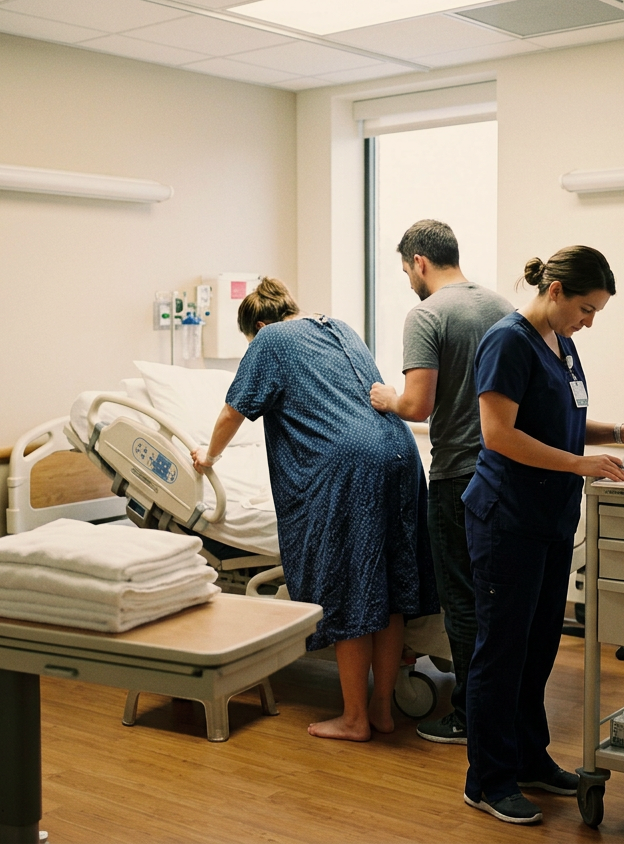
This day is for both of you. It isn't a class she attends while her support person listens in.
Support people are often expected to be everything for a woman in labour, when many of them have never seen a birth before. In hospital there's a second job on top of that one.'m trying things too. I've just been trying them for longer.
And there's one advantage in the room that I'll never have: they know her better than anyone else there. That's worth using.
Your support person
If it doesn't go that way
There's a version of this day that would leave you worse off, and I'd rather name it than have you find it.
If you walk out believing a natural birth is something you achieve by trying hard enough, then a birth that needed help becomes something you failed at. That harm is real. And it's done by preparation, not by hospitals.
So we spend real time on the other paths. Induction, an instrumental birth, a caesarean. What each one involves, what's still yours to decide inside it, and how to keep hold of the decisions when the plan changes
And what a day like this can't do
A day of learning doesn't replace individual clinical advice. It won't tell your care provider how to act, and it won't determine what kind of birth you have.
Nobody can promise you a natural birth, in hospital or anywhere else. Anyone who does is promising something they can't deliver.
Needing help isn't a failure of preparation. It never was.
How you'll know
Each labour is its own weather.
That isn't a comforting line and I don't offer it as one. Weather is just the most honest comparison I have.
Respect is sturdier than trust. You don't trust the weather. You read it. You dress for it. You know most days are ordinary and a few are not.
Nobody stands in a storm feeling personally let down by the sky.
So, how will you know?
You won't always. That's the honest answer, and anyone offering you a cleaner one is selling something. What you can have instead is more useful than false certainty.
The questions that work on almost anything. Asked in a way that gets you a real answer rather than a defensive one. One of them is just is this routine, recommended, or required?, and it does more work than any other sentence in the day.
A plan for the first hour after birth. One page, decided in advance, so it doesn't need deciding again by a woman in transition.
A handover note. One page, for whoever walks in at shift change, so your plan survives a staff change without you explaining yourself twice.
Your support person leaves with the same things, and a day's practice at using them.
Most of it comes down to whether there's time to ask. More often than you'd expect, there is.
What I'll do, and what I won't
I WILL
I'll tell you straight. No promises about your outcome, because nobody can honestly make those.
I'll give you the reasoning behind the suggestions, so you can adapt it in a room I'm not standing in.
I'll answer the question you're not sure you're allowed to ask.
I WON'T
I won't tell you what to choose.
I won't promise you a birth, a pain-free one, or that you'll walk out fully prepared.
I won't pretend the system is worse than it is, or better.
Questions
Isn't this what the hospital's antenatal class is for?
The hospital's class is taught by the hospital, and it's genuinely useful for finding the car park, meeting the ward and understanding what's offered. What it isn't built to do is prepare you for the hospital's own defaults, because those defaults are simply how the place runs. That's most of what this day is about. If you have a place in a hospital class, take it. This sits alongside it.
Is this hypnobirthing?
No. There's no method being taught here, no scripts and no set of techniques to practise. This is a midwife explaining how labour works, how a hospital works, and what you can do with both. If hypnobirthing appeals to you, it sits well alongside this, and plenty of women do both.
Am I going to be taught to be difficult?
No. Most of what works is quieter than that, and being liked by the people caring for you is genuinely useful rather than something to sacrifice. What we work on is how to ask a real question and get a real answer. Almost none of it is confrontational. The ones that are, you'll know when they're worth it.
When should I go to hospital in labour?
That's one of the things we spend real time on, because it's the decision that shapes the most and the one women are given the least help with. There's no single answer that fits everyone, which is why it needs a conversation rather than a rule.
What if I'm told I need to be induced?
We work through induction properly. What's being offered, what the timing is based on, what the alternatives are, and how to ask the questions that get you a real answer rather than a policy. Plenty of women who plan a natural birth are induced, and understanding it beforehand changes how that conversation goes.
Can I say no to things in labour?
Yes, and knowing how to is most of what this day is for. Not as a confrontation. As a conversation you're prepared for.
What if I'm told the baby is at risk?
Then you ask what they're seeing, what it means, and how much time you have. Those three questions are reasonable, they're answerable, and asking them is not a delay in your baby's care.
Sometimes the answer is that there's no time, and you'll know, because a room that genuinely needs to move looks nothing like a room that would prefer to. Most of the time there is time. We work on telling those apart.
What if I end up with an epidural, or a caesarean?
Then you'll understand what's happening and what's still yours to decide. Preparing for a natural birth and preparing for the possibility that it changes course are not opposites, and we spend real time on the second one. Needing help isn't a failure of preparation.
We've done a birth class already. Is this too much?
Possibly. If you came out of it knowing when to go in, what you'd say if you were asked to be induced, and what happens to your plan at shift change, you may not need this. If those questions are still open, that's what the day is for.
Can I come on my own?
Yes. Most women bring their support person, and the day is built for two, but if yours can't make it or you'd rather come alone, you're welcome. Tell me when you book so I can plan the partner sections around it.
Is the space accessible?
There's a single step into The Gathering Space. Please tell me about any access needs when you book and I'll make sure the day works for you.
About your facilitator
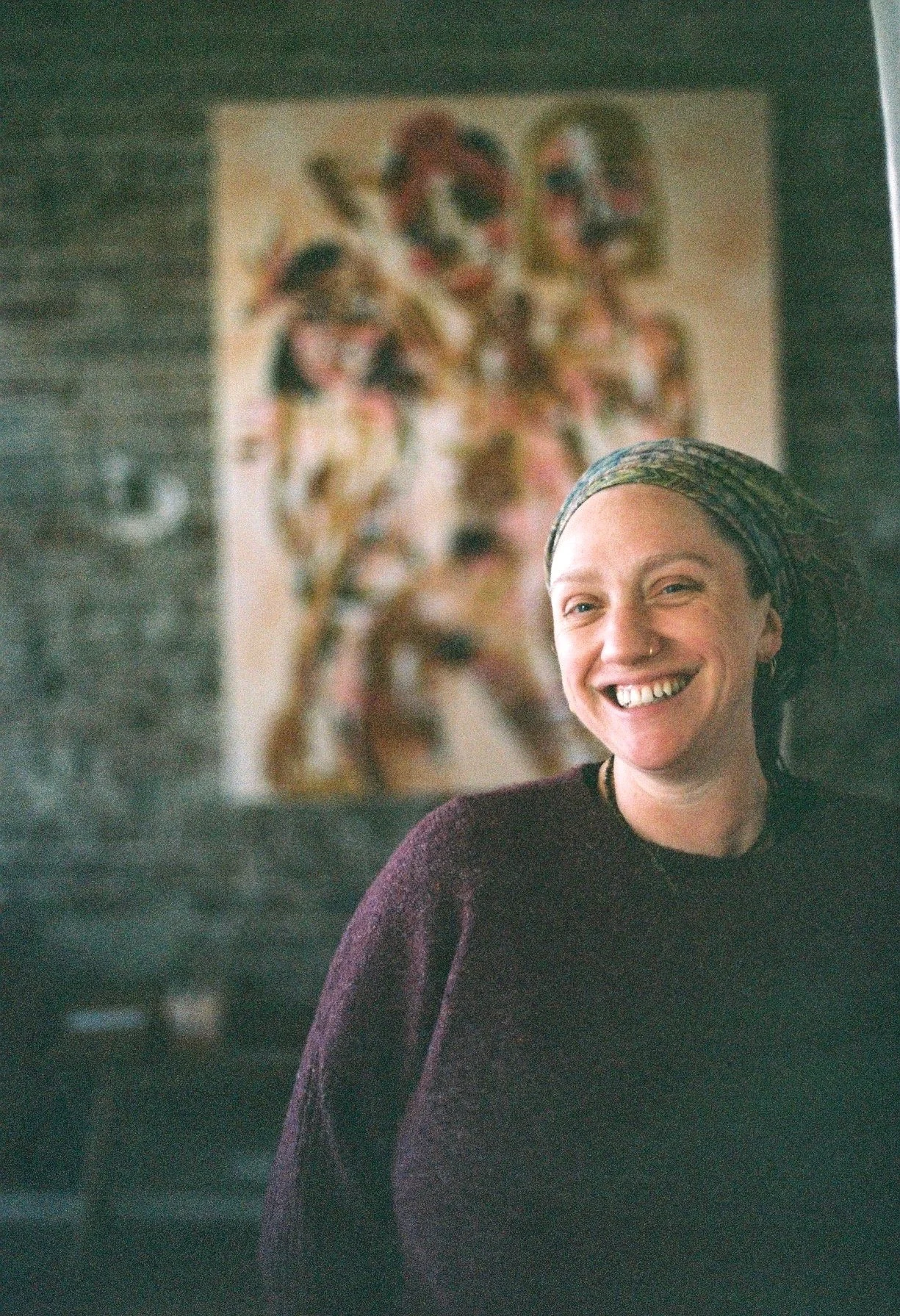
Jennifer Hazi
I'm Jen, a Private Midwife in Sydney. I've been caring for women in birth and motherhood since 2007, across homebirth, hospital birth and the postnatal weeks, and I've been teaching birth education for most of that time.
I know how hospital rooms work, what the people in them are watching for, and where the pressure tends to build. That's what this day is made of.
I'm a Registered and Endorsed Midwife, which means I can order tests, prescribe what you need, and you can claim a Medicare rebate on clinical appointments. It doesn't apply to this workshop, which is education rather than clinical care.
This day sits alongside your own maternity care rather than in place of it.
Practical details
Format: Full day, in person. 10am to 5pm. Maximum four families. Discussion, explanation and reflection throughout.
Who attends: The pregnant woman and her primary support person. Both attend together for the full day.
Cost: $500 per family, GST included. Payment in full at booking secures your place.
Where: The Gathering Space, 160 Flinders Street, Paddington. There's a single step into the space, and parking details come with your confirmation.
Bring: Lunch, water, and something to write with.
Cancellations: More than 14 days before the date, a full refund or a free transfer. Within 14 days, non-refundable but transferable to a future workshop or to another person. If labour starts, or you're admitted, or something happens in your pregnancy, the full value is held as credit for three months toward another workshop or service.
What birth is for
Underneath all of this is something worth saying plainly.
Birth is wonderful. Not easy, and not always kind, but wonderful in the older sense of the word. It is one of a very small number of thresholds a person genuinely crosses in a life, and nobody comes back from it as the woman who went in.
That's what a rite of passage is. Not the ceremony. The crossing.
A door that costs something to walk through, and changes you in the walking.
And it prepares you for what comes next
Birth teaches you what you need to know to be the parents this baby needs.
I mean that plainly, not as a nice thought.
You'll meet things in labour you didn't know you had. You'll make decisions under a pressure you haven't met before, in a body doing something enormous, on no sleep, for someone who doesn't quite exist yet in the way they're about to.
Then you'll do it again on the other side. At 3am, for years.
The skills are the same ones. Reading a situation. Deciding without the full picture. Asking for help when it's needed and holding your ground when it isn't. Staying in the room with something hard.
Birth is the first time you'll use them for this child. It won't be the last.
That's what the threshold is for. You don't cross it to get the baby. You cross it to become the person the baby arrives to.
Nobody gets a script
As far as I can tell, looking back on a birth well has very little to do with whether it went to plan. Plenty of the ones women speak about with real warmth didn't.
What seems to matter is having been there for it. Awake to it. Making the next right decision with what was actually in front of you, and moving with the weather of the day rather than against it.
That is worth celebrating, and it rarely gets celebrated, because everyone is busy asking whether the baby is healthy.
There is no easy way
There is no easy way through this. That isn't something I'm keeping from you. It doesn't exist.
Every woman who has ever done this did it the hard way, because there is only the way.
Which is oddly freeing, once you stop looking for the other one.
I won't be in your room. I'm not on call and I don't attend births. But I'm on this side of it afterwards, and I'd like to hear how it went.
Whatever happened, you will have done what needed doing. That isn't a consolation prize. It's the whole thing.
Reserve your place
Four families per date. Payment in full secures your place.
If the date you want isn't showing, email me. Workshops run when there are enough people for a good group, and I can let you know what's coming.
If you're not sure this is the right one of the three, write and tell me where you're up to. A short conversation is usually enough to work it out.
The Birth Plan Template and Guide. A step-by-step way to work out what matters to you, understand your options, and communicate clearly with everyone supporting you. Free to download.